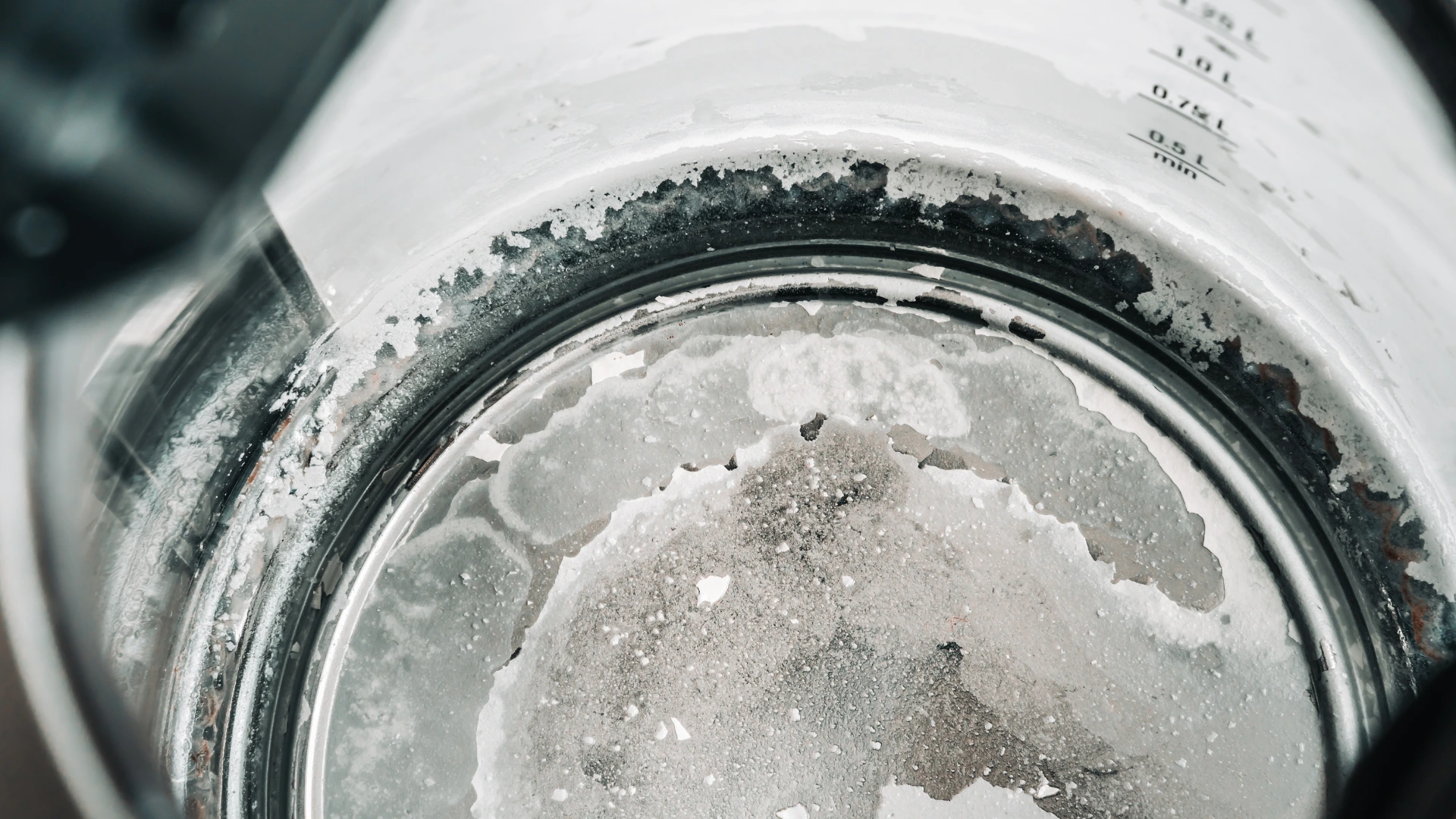
What Is Hard Water?
Hard water contains high levels of dissolved minerals, primarily calcium and magnesium. Groundwater picks up these minerals naturally as it flows through limestone, dolomite, and other mineral-bearing rock formations. (USGS)
You cannot see hardness minerals in the water itself. Instead, you notice the effects they cause:
- White, crusty scale on faucets and showerheads
- Soap that does not lather well
- Spotty dishes and cloudy glassware
- Stiff, dingy laundry
- Scale buildup inside water heaters and pipes
Hard water is extremely common in private wells because groundwater has more contact time with minerals than treated surface water.
Why Hard Water Matters
Hard water is not a health hazard for most people. The World Health Organization notes there is no convincing evidence that water hardness causes adverse health effects. (WHO)
The real concerns are practical and financial:
- Scale buildup reduces water heater efficiency and shortens appliance lifespan
- Soap waste means you use more shampoo, detergent, and cleaning products
- Plumbing damage can occur as scale narrows pipes over time
- Constant cleaning is needed to remove mineral deposits from fixtures
For many well owners, hard water is more annoying than dangerous. The decision to treat it comes down to cost and convenience.
Where Hard Water Comes From
Hardness is about geology, not pollution. Your well water becomes hard when it passes through rock formations containing calcium and magnesium.
Conditions that tend to produce harder water:
- Limestone and dolomite bedrock dissolve easily into groundwater
- Deeper wells with longer groundwater residence time
- Aquifers in sedimentary rock with high mineral content
Two wells on the same property can have different hardness levels if they tap into different aquifer zones. Hardness can also change seasonally as groundwater flow patterns shift.
When to Test for Hard Water
Test your well water for hardness if you notice:
- White or gray scale on fixtures
- Soap that does not lather properly
- Spotty dishes after washing
- Laundry that feels stiff or looks dull
- Decreased water heater efficiency
You should also test hardness:
- When moving into a home with a private well
- Before buying water treatment equipment
- After drilling a new well or changing well depth
- Every few years as part of routine well monitoring
CDC recommends private well owners test at least annually for basic indicators like bacteria, nitrates, and pH. Hardness testing can be added every few years or when symptoms appear. (CDC)
How to Test for Hard Water
You have three main options for testing water hardness:
1. Certified Lab Test
A lab test is the most accurate option and the best choice if you are planning to install treatment. Labs report hardness in mg/L as CaCO3 and often include calcium, magnesium, iron, and pH. CDC recommends using a state-certified laboratory. (CDC)
2. Test Strips
Simple dip strips can confirm whether you are in the hard or very hard range. They are less precise than lab tests but useful for a quick check.
3. Existing Reports
If you had a water test done for a real estate transaction or well installation, hardness may already be on the report. Wells can change over time, so older reports may not reflect current conditions.
How to Interpret Hardness Results
Most labs report hardness in milligrams per liter (mg/L) as calcium carbonate (CaCO3). You may also see grains per gallon (gpg), which is common for sizing water softeners.
Conversion: 1 gpg equals about 17.1 mg/L
The USGS uses these categories: (USGS)
- Soft: 0 to 60 mg/L
- Moderately hard: 61 to 120 mg/L
- Hard: 121 to 180 mg/L
- Very hard: Above 180 mg/L
These are guidelines, not safety thresholds. There is no health-based limit for hardness. The numbers help you predict how much scale and soap problems you may experience.
What to Do About Hard Well Water
If your water tests in the hard or very hard range, you have several options depending on how much the hardness bothers you.
Option 1: Live With It
Many people with moderate hardness choose to skip treatment. Regular cleaning and occasional descaling may be all you need. If your appliances are working fine and you are comfortable using more soap, treatment is optional.
Option 2: Install a Water Softener
Ion-exchange water softeners are the most common solution. They swap calcium and magnesium for sodium (or potassium), preventing scale formation. (EPA)
Benefits include:
- Less scale on fixtures and in appliances
- Better soap lather and cleaner laundry
- Fewer spots on dishes
- Extended water heater life
Option 3: Consider Alternatives
Some products called "salt-free softeners" or water conditioners can reduce scale formation without removing minerals. Results vary, and these may work better for moderate hardness. (UNL Extension)
Sodium in Softened Water
Salt-based softeners add sodium to the water in exchange for removing calcium and magnesium. Penn State Extension estimates that removing 1 grain per gallon of hardness adds about 7.5 mg of sodium per quart of water. (Penn State Extension)
For most people, sodium from softened water is small compared to sodium from food. However, if someone in your household is on a strict sodium-restricted diet, consider these options:
- Keep a separate unsoftened cold tap for drinking and cooking
- Install a reverse osmosis filter at the kitchen sink
- Use potassium chloride instead of sodium chloride in the softener
- Talk to your doctor about whether sodium in water is a concern for your situation
New York State recommends sodium in drinking water not exceed 20 mg/L for people on very low sodium diets. (NY DOH)
Prevention and Maintenance Tips
You cannot change the geology that causes hard water, but you can manage its effects:
- Regular cleaning prevents scale from building up on fixtures
- Vinegar or citric acid can dissolve mineral deposits from showerheads and faucets
- Drain your water heater annually to remove sediment buildup
- Keep softener salt topped up if you have a softening system
- Check softener settings and confirm they match your water hardness level
- Test periodically to verify your softener is working and hardness has not changed
If you install a softener, choose a demand-initiated regeneration model that regenerates based on water use rather than a timer. This saves salt and water. (EPA)
Frequently Asked Questions
Is hard water safe to drink?
Yes, hard water is generally safe to drink. The World Health Organization found no evidence that hard water causes health problems. Calcium and magnesium are essential nutrients. Hard water is mainly a nuisance issue, not a health issue.
What causes hard water in a private well?
Hard water in private wells comes from calcium and magnesium dissolved from underground rock formations. Limestone and dolomite are common sources. The longer groundwater stays in contact with these rocks, the harder it becomes.
How do I know if my well water is too hard?
Signs of hard well water include white scale on faucets, soap that does not lather, spotty dishes, and stiff laundry. A water test can confirm hardness. Water above 120 mg/L is considered hard, and above 180 mg/L is very hard.
Will a water softener remove all minerals from well water?
Standard softeners remove calcium and magnesium but not all minerals. They do not remove iron, manganese, or bacteria. If you have other water quality issues, you may need additional treatment.
How much does it cost to treat hard well water?
Water softener costs vary widely. A basic system may cost a few hundred dollars, while whole-house systems with installation can run several thousand. Ongoing costs include salt and occasional maintenance.
Can hard water damage my water heater?
Yes, hard water can cause scale buildup inside water heaters, reducing efficiency and shortening lifespan. Flushing your water heater annually and treating hard water can help prevent damage.
Do I need to test for hard water every year?
Hardness does not usually change quickly, so annual testing is not necessary. Test every few years, after well work, or if you notice changes in scale buildup or soap performance.