Common Well Water Contaminants (Testing & Safety Guide)
Learn about common well water contaminants found in private wells, what causes them, potential health considerations, and when well water testing is recommended.
Well water contaminant guides


Understanding Well Water Contaminants: A Comprehensive Guide
Private well water can contain various contaminants that affect both health and water quality. Unlike municipal water systems regulated by the Environmental Protection Agency (EPA), private wells are the homeowner's responsibility to test and maintain. The Centers for Disease Control and Prevention (CDC) recommends annual testing for bacteria and nitrates, plus additional testing based on local conditions and your specific situation.
Why Well Water Contaminants Matter
Contaminants in well water can come from natural sources, human activities, or problems with well construction. Some contaminants cause immediate health effects, while others pose long-term risks. Many contaminants have no taste, odor, or visible appearance, making testing the only reliable way to detect them. The EPA emphasizes that private well owners should test their water regularly because there are no federal regulations requiring monitoring of private wells.
Common well water contaminants include bacteria like total coliform and E. coli, chemical contaminants such as nitrates, arsenic, and lead, naturally occurring substances like radon and uranium, and agricultural chemicals including pesticides and herbicides. Each contaminant has different health implications, testing requirements, and treatment options.
Types of Well Water Contaminants
Biological Contaminants
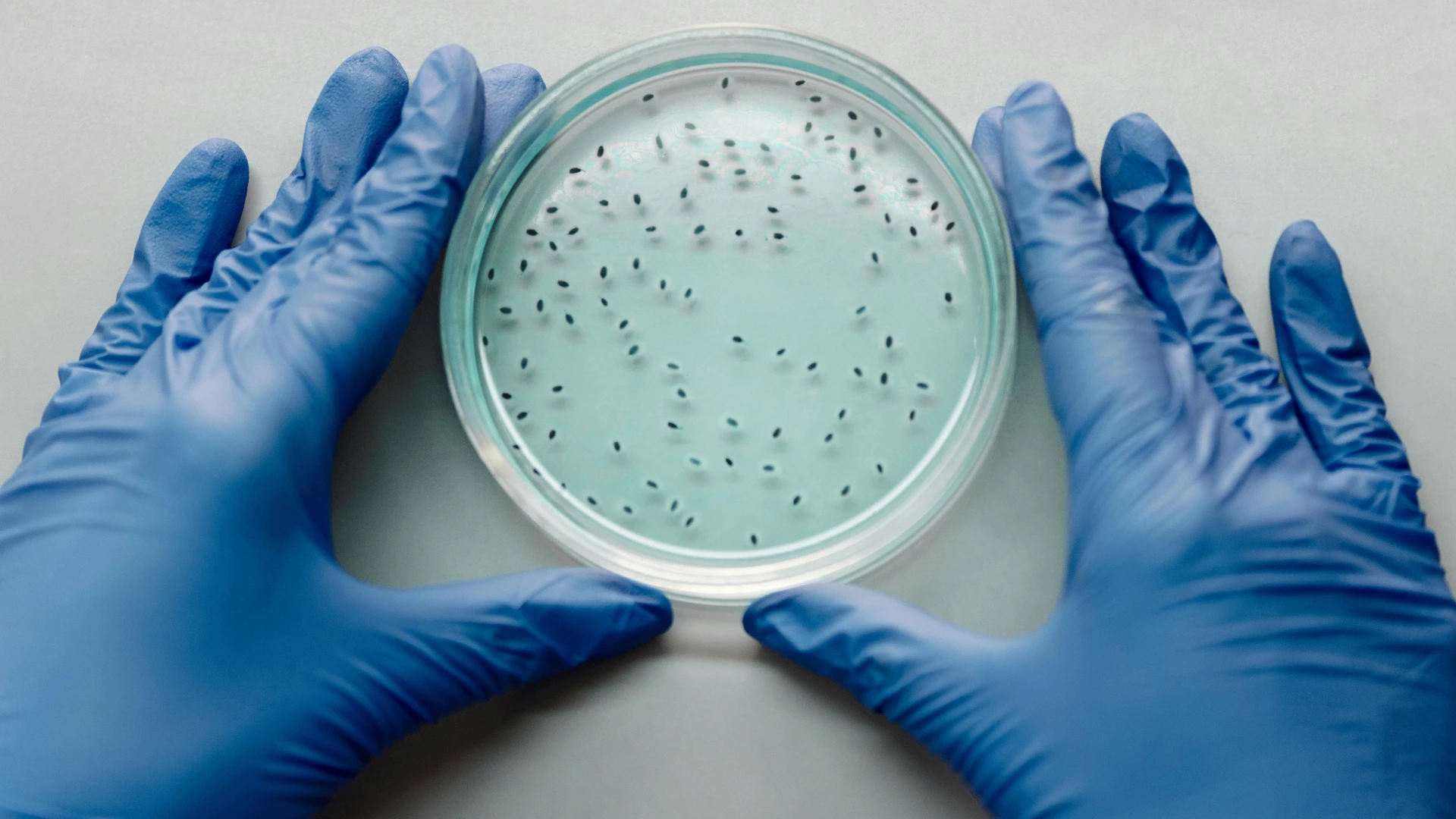
Biological contaminants include bacteria, viruses, and parasites that can cause gastrointestinal illness and other health problems. Total coliform bacteria serve as indicator organisms—their presence suggests your well may be vulnerable to contamination from more dangerous pathogens. E. coli specifically indicates possible fecal contamination and requires immediate action. The CDC recommends annual testing for coliform bacteria, and more frequent testing if you notice changes in water quality or after flooding events.
Chemical Contaminants
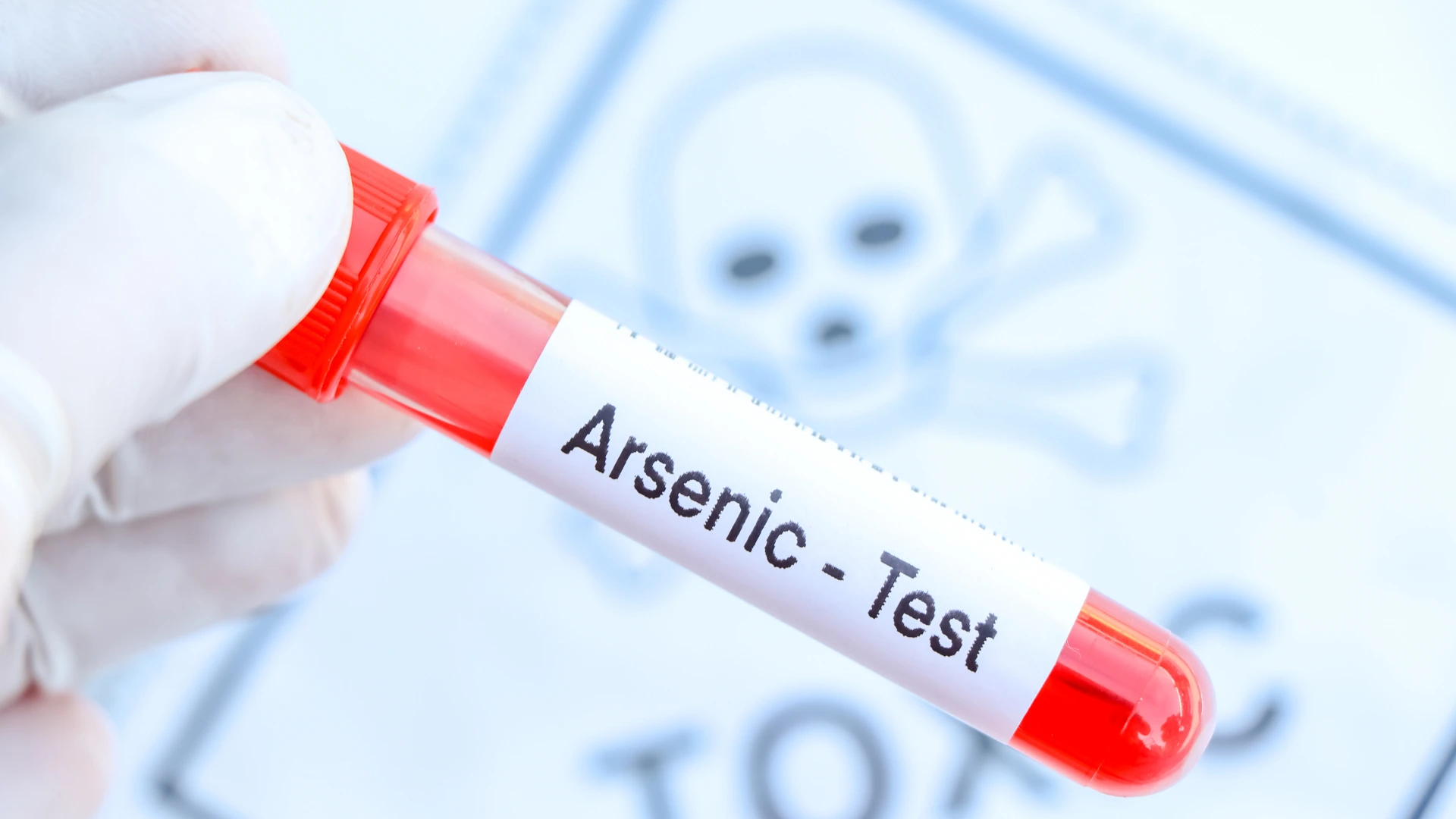
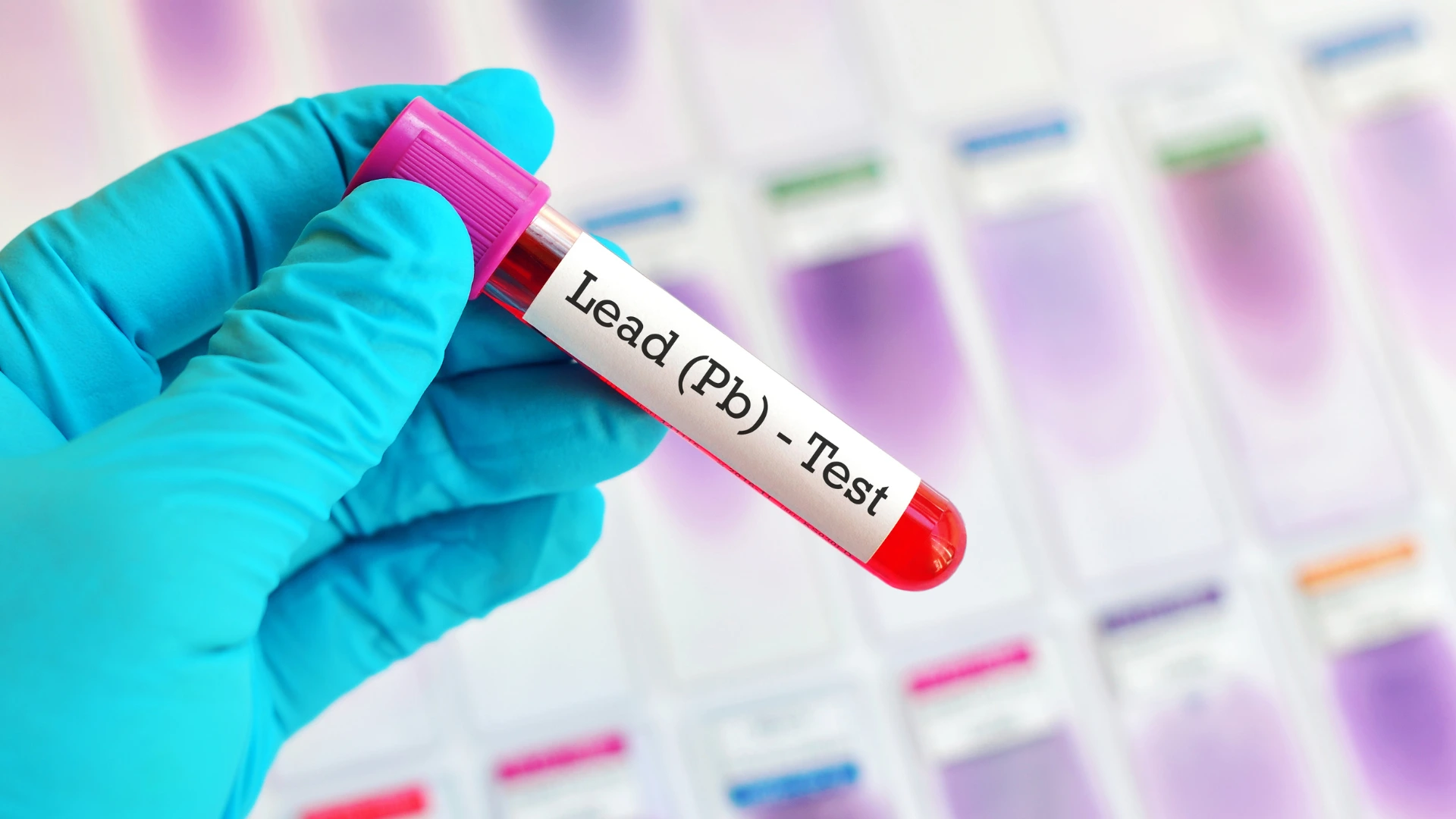
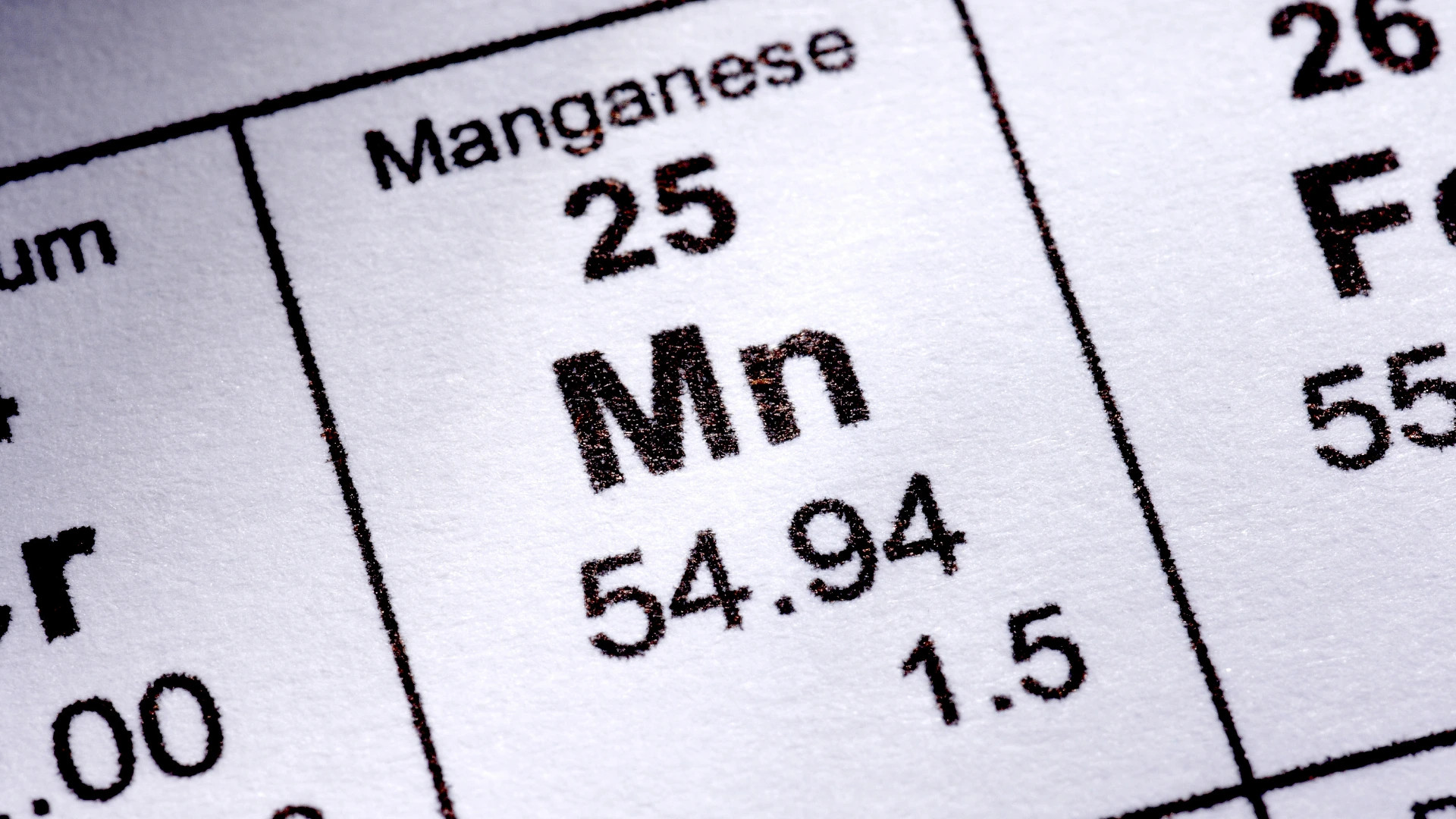
Chemical contaminants include nitrates and nitrites, which are common in agricultural areas and pose particular risks to infants. Arsenic occurs naturally in some groundwater and can cause long-term health effects. Lead typically enters water through plumbing materials rather than the well itself, making first-draw sampling important for accurate results. Heavy metals like iron and manganese are often aesthetic concerns but can indicate other problems.
Naturally Occurring Contaminants
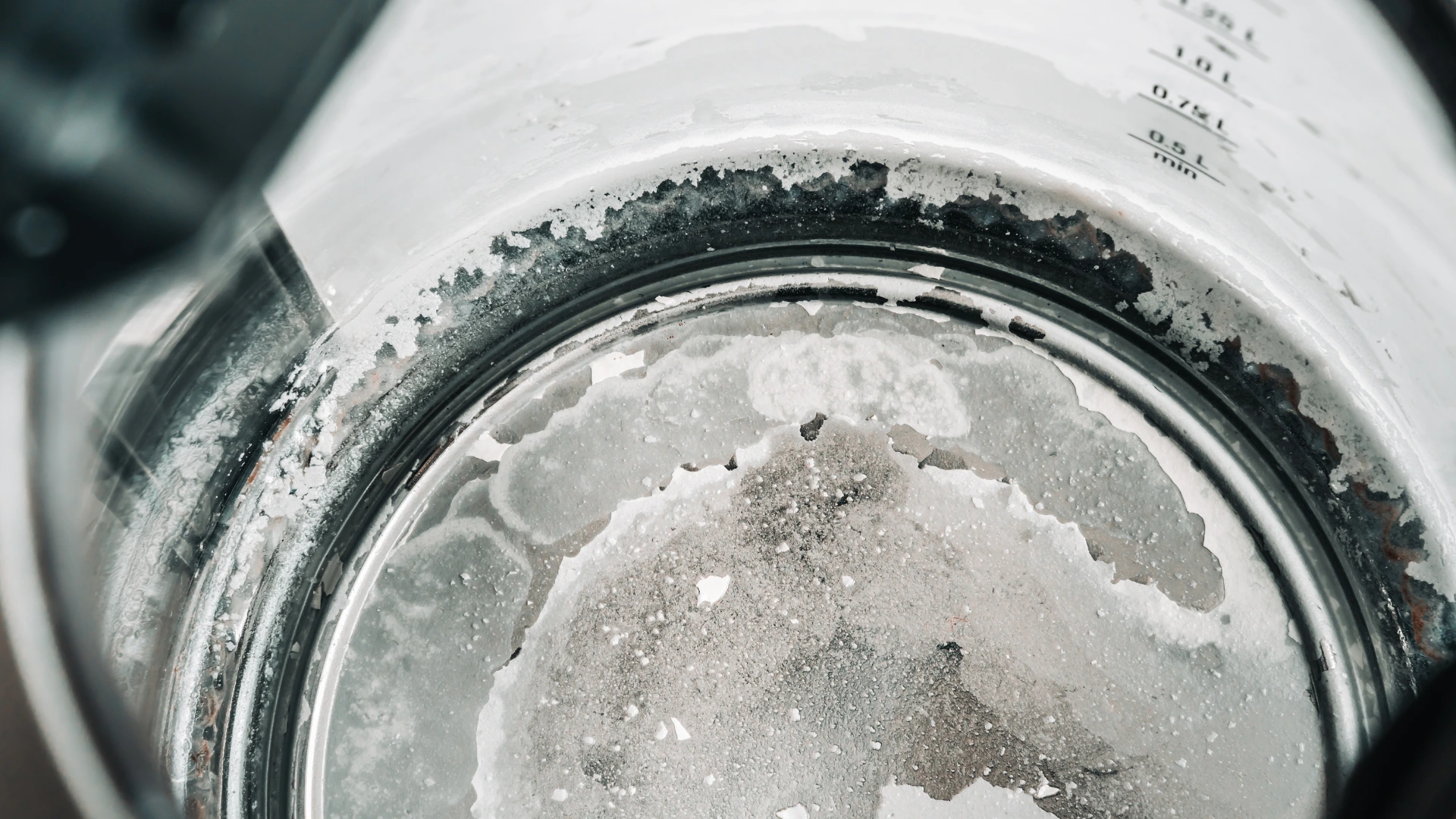
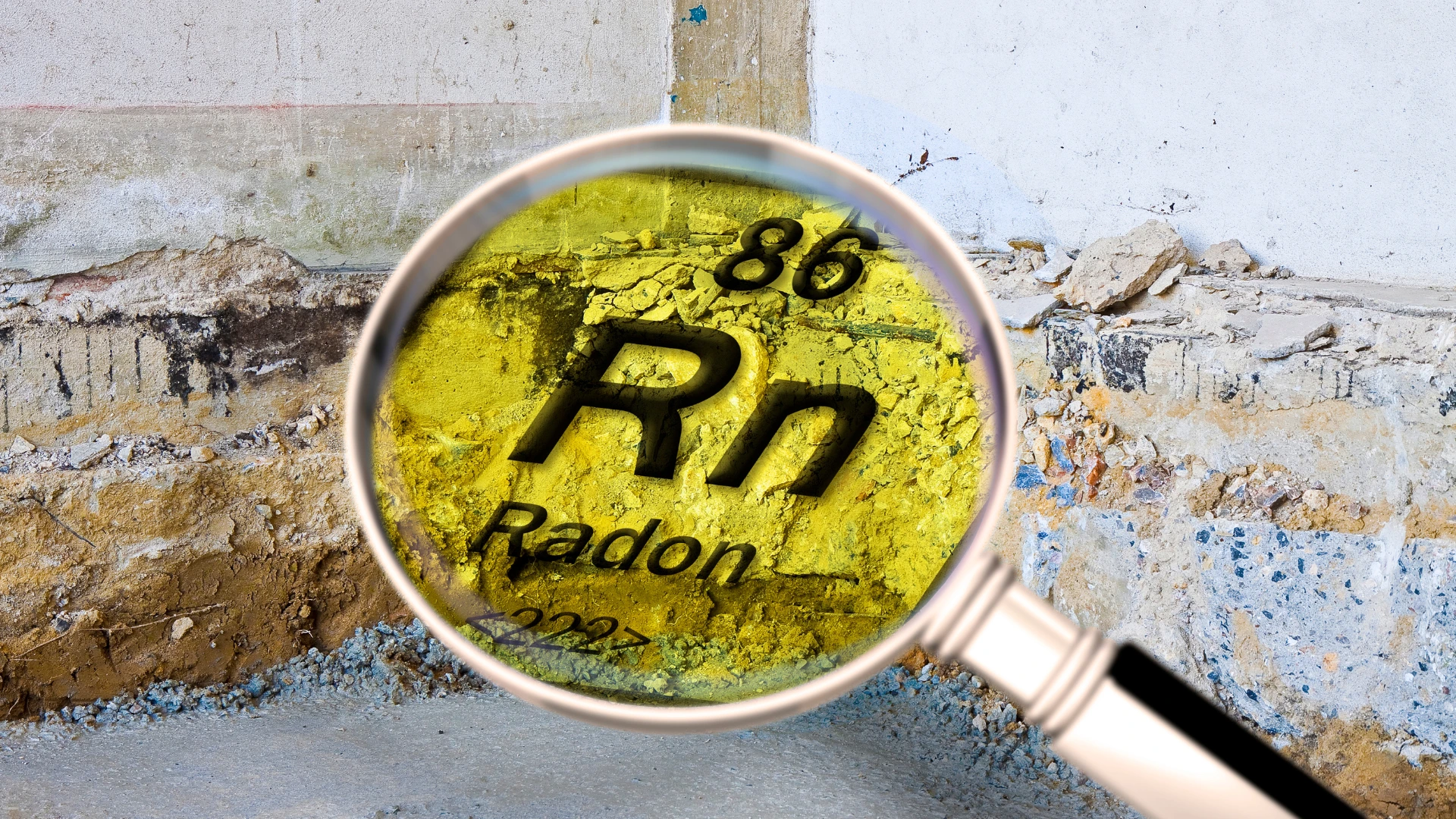
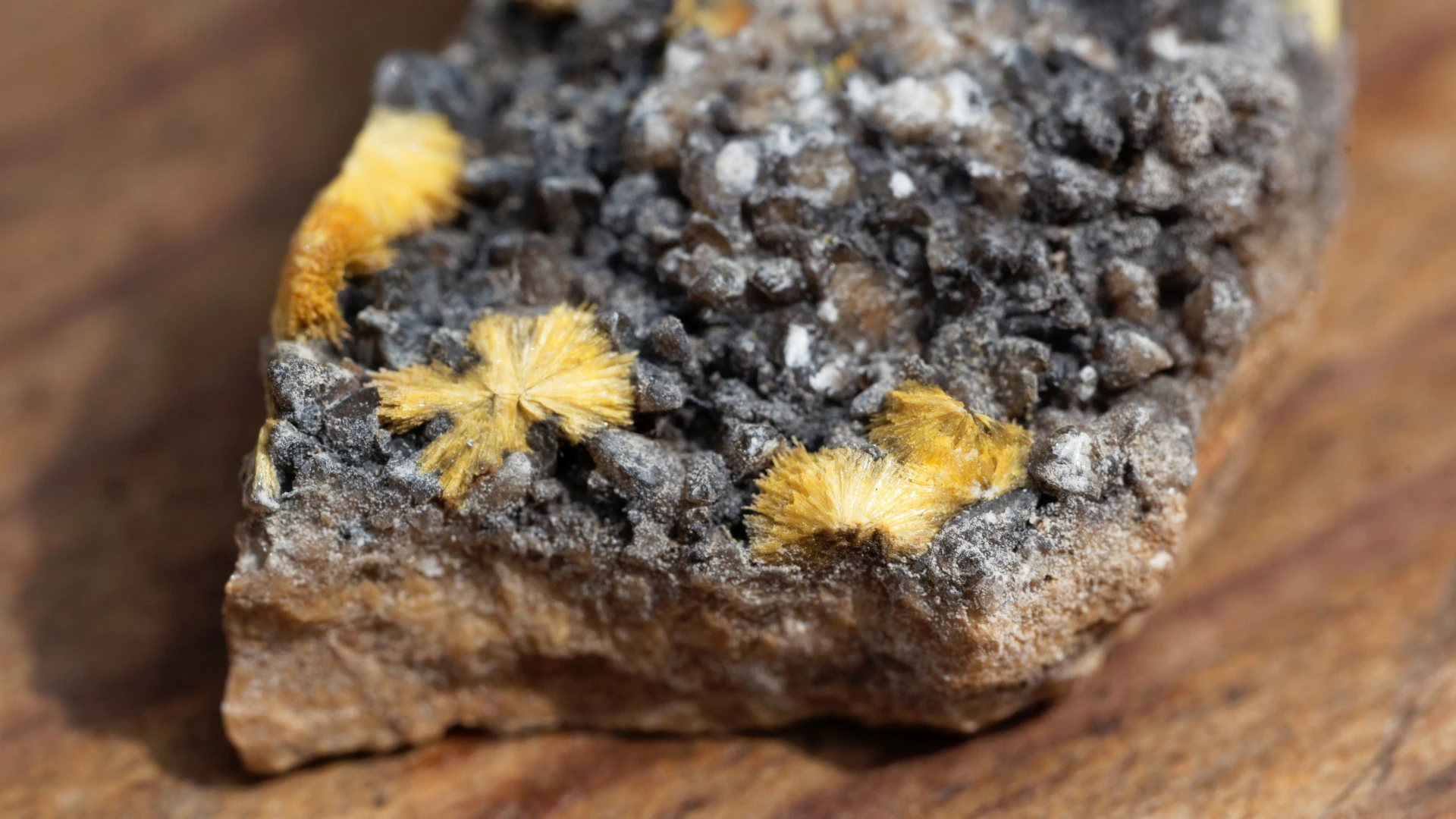
Some contaminants occur naturally in groundwater. Radon, a radioactive gas, can dissolve in well water and contribute to indoor air exposure. Uranium and gross alpha radiation are naturally occurring radionuclides that require specialized testing. Hard water, caused by dissolved calcium and magnesium, is primarily an aesthetic issue but can affect plumbing and appliances.
Agricultural and Industrial Contaminants
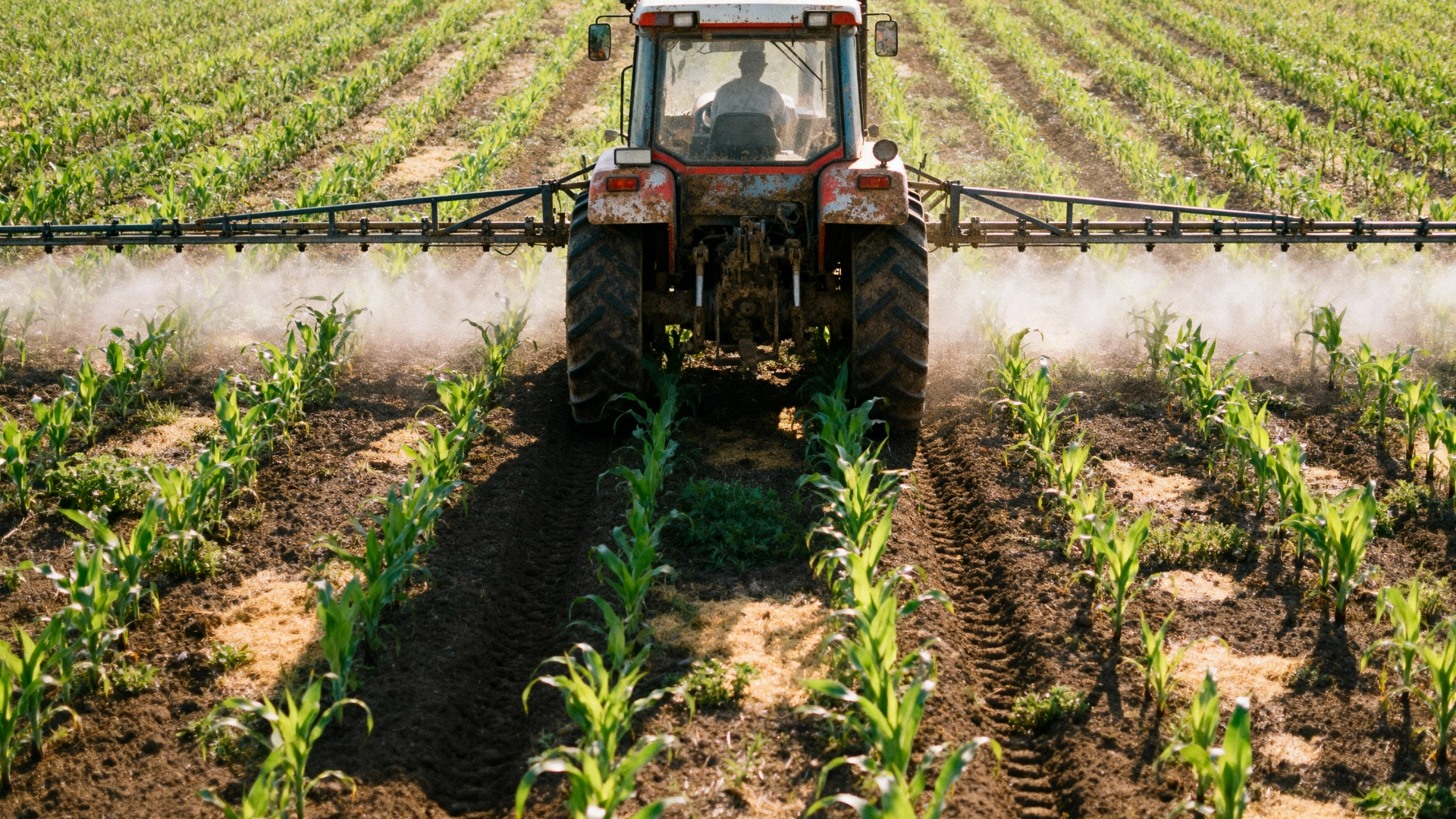
Pesticides and herbicides can leach into groundwater from agricultural use, particularly in areas with sandy soils or shallow water tables. PFAS (per- and polyfluoroalkyl substances), also known as "forever chemicals," are industrial compounds that persist in the environment and have been found in private wells near industrial sites, military bases, and airports. Testing for these contaminants requires specialized panels and can be more expensive than basic water quality tests.
When to Test for Specific Contaminants
The CDC recommends annual testing for total coliform bacteria and nitrates as a baseline for all private wells. Beyond that, testing should be based on your location, well characteristics, and specific circumstances. Test for arsenic if you live in areas with known arsenic in groundwater. Test for lead if your home has older plumbing or if you're concerned about lead exposure, especially for children. Test for radon if you're in a radon-prone area or if your home has elevated indoor air radon levels.
Real estate transactions often require comprehensive water testing that includes bacteria, nitrates, lead, arsenic, and other contaminants depending on state requirements. After flooding or heavy rain, test for bacteria and any contaminants that might have been introduced by surface water. If you notice changes in water taste, odor, or appearance, test for the contaminants most likely to cause those symptoms.
Understanding Test Results and Reference Levels
Well water test results are compared to EPA Maximum Contaminant Levels (MCLs) and Health Advisory levels, even though private wells aren't regulated by these standards. These reference levels help you understand whether your results indicate a health concern. For example, the EPA MCL for nitrates is 10 mg/L, and levels above this pose risks to infants. Arsenic has an MCL of 0.010 mg/L (10 parts per billion), and long-term exposure above this level increases cancer risk.
Some contaminants have no established MCL but have Health Advisory levels that provide guidance. PFAS compounds have Health Advisory levels that are much lower than many other contaminants, reflecting their persistence and potential health effects. Your lab report should explain how your results compare to these reference levels and whether any detected contaminants require action.
Finding Testing and Treatment Resources
Testing for well water contaminants requires using a state-certified laboratory to ensure accurate results. The CDC recommends contacting your local health department for a list of certified labs in your area. Our directory helps you find testing providers organized by state and city, making it easier to locate certified laboratories and sampling services near you.
If your test results show contamination, treatment options vary by contaminant type. Some issues can be resolved by fixing well construction problems or addressing the source of contamination. Others require point-of-use or whole-house treatment systems. Our individual contaminant guides provide detailed information about treatment options for each specific contaminant. Find certified testing providers in your area using our state-by-state directory.
Frequently Asked Questions about Well Water Contaminants
Common questions about contaminants in private well water, testing requirements, health implications, and treatment options.