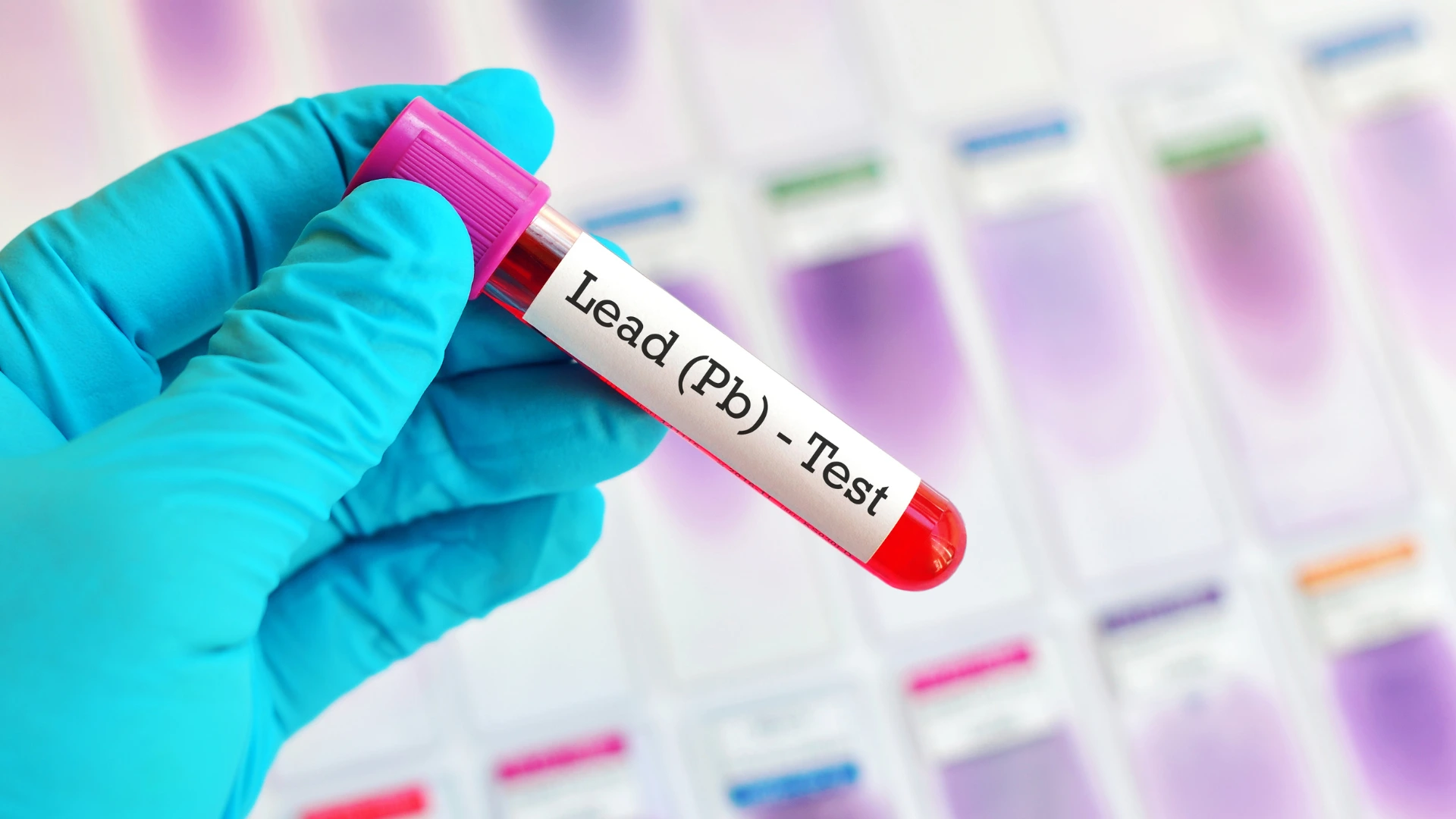
What Is Lead and Why Does It Matter?
Lead is a toxic metal that can build up in the body over time. Children are especially vulnerable because lead exposure can affect brain development and learning.
The CDC states that no safe blood lead level has been identified for children. (CDC)
Because of this, the EPA Maximum Contaminant Level Goal for lead in drinking water is zero. The practical reality for well owners: you cannot see or taste lead in water. Testing is the only way to know if it is present.
Where Lead in Well Water Comes From
In most private well situations, lead does not come from the aquifer. It comes from your home's plumbing.
Common Sources
- Lead solder: Used to join copper pipes in homes built before 1986
- Brass fixtures: Faucets and valves can contain lead, especially older ones
- Lead pipes: Less common, but possible in very old homes
- Faucet aerators: Lead particles can accumulate in the screen
This is why lead is called a "point-of-use" problem. Your well water can be lead-free, but lead enters as it sits in contact with plumbing materials. (EPA)
Why Stagnation Matters
The longer water sits in pipes, the more time it has to dissolve lead from plumbing materials. That is why first-morning samples often show the highest lead levels.
Corrosive Water Increases Risk
Water that is acidic or corrosive dissolves more lead from pipes and fixtures. CDC guidance notes that corrosive well water can increase lead leaching. (CDC)
When to Test for Lead
Consider testing for lead if:
- Your home was built before 1986 (when lead solder was banned)
- You have older brass fixtures or do not know when plumbing was installed
- Children, infants, or pregnant women live in the home
- You are preparing formula with tap water
- Your water is corrosive (low pH)
- You are buying a home with a private well
Lead testing is often done as part of an initial well assessment, then repeated if you change fixtures or plumbing.
How to Test for Lead
Because lead comes from plumbing, how you sample matters as much as where you sample.
First-Draw Sampling
Collect water that has been sitting in pipes for at least 6 hours. This captures the worst-case lead level. The EPA recommends this approach for lead testing. (EPA)
Where to Sample
- Test the kitchen cold water tap used for drinking and cooking
- Test any tap used for infant formula
- In older homes, consider testing multiple taps
First-Draw vs Flushed Samples
If you want to identify where lead is coming from, collect two samples: (EPA)
- First-draw: Catches lead from the fixture and nearby plumbing
- Flushed (after 30 seconds): Catches lead from upstream plumbing
If lead drops after flushing, the source is likely close to the tap. If it stays high, the problem may be deeper in your plumbing.
Cost and Turnaround
A lead test typically costs $25 to $50. Results usually come back within 1 to 2 weeks.
How to Interpret Your Lead Results
Key Numbers to Know
- EPA goal: 0 ppb (there is no safe level for children)
- EPA action level: 15 ppb (regulatory trigger for public systems)
For private wells, 15 ppb is not a "safe" threshold. It is a regulatory reference. Many families choose to reduce exposure at any detectable level, especially with children present. (CDC)
What Your Number Means
- Not detected or below 5 ppb: Low concern. Consider retesting if household changes.
- 5 to 15 ppb: Worth addressing, especially with children. Use exposure reduction steps.
- Above 15 ppb: Take action to reduce exposure and identify the source.
What to Do If Lead Is Detected
Immediate Steps
- Use cold water only for drinking and cooking. Hot water dissolves more lead.
- Flush pipes by running water for 1 to 2 minutes before using for drinking, especially in the morning. (EPA)
- Clean aerators regularly. Lead particles can collect in the screen. (EPA)
- Use a certified filter for lead if needed. Make sure it is NSF-certified for lead removal.
Important: Boiling does not remove lead. It can actually increase concentration. (EPA)
Long-Term Fixes
Depending on where the lead is coming from:
- Replace fixtures: If the source is a specific faucet, replacing it may solve the problem
- Replace plumbing: For older homes with lead solder or pipes, replumbing may be needed
- Address corrosivity: If your water is acidic, treatment to raise pH can reduce lead leaching
Confirm the Fix
After making changes, retest using the same protocol to verify lead levels have dropped.
Prevention and Maintenance
When Buying Fixtures
Look for products certified as "lead-free" under current federal standards. "Lead-free" means 0.25% lead or less on wetted surfaces. (EPA)
Make Flushing a Habit
Run the cold water tap briefly before drinking, especially first thing in the morning or after long periods away.
Clean Aerators Regularly
Remove and clean faucet screens periodically to prevent lead particle buildup.
Retest After Changes
Any time you replace plumbing or fixtures, retest to confirm lead levels have improved.
Frequently Asked Questions
What causes lead in well water?
Lead in well water usually comes from plumbing materials, not the groundwater itself. Old pipes, lead solder, and brass fixtures are the most common sources. Water that sits in contact with these materials can dissolve lead.
How do I know if my well water has lead?
You cannot taste, smell, or see lead in water. The only way to know is to test. Use a first-draw sample after water has been sitting for at least 6 hours to capture the worst-case level.
What is a safe level of lead in well water?
The EPA goal is zero because no level is considered safe for children. The 15 ppb action level is a regulatory trigger for public systems, not a health-based safety threshold. (CDC)
Does boiling water remove lead?
No. Boiling does not remove lead. It can actually concentrate lead by evaporating water. Use cold water, flushing, and certified filters instead. (EPA)
How do I reduce lead in my well water?
Flush pipes before drinking, use cold water only, clean aerators regularly, and consider a certified lead-removal filter. For permanent fixes, replace old fixtures or plumbing that contains lead.
Should I test for lead if my home is newer?
Newer homes have lower risk, but even "lead-free" fixtures can contain small amounts of lead. Testing is worthwhile if you have young children or are concerned, especially when moving in.
Why is lead worse for children?
Children absorb lead more readily than adults, and their developing brains are more susceptible to harm. The CDC emphasizes that even low levels can affect development and learning. (CDC)
Find Well Water Testing Near You
Use a certified lab that can provide proper sample bottles and instructions for lead testing. If you have young children, mention this when contacting the lab.
Find well water testing providers in your state using our directory.