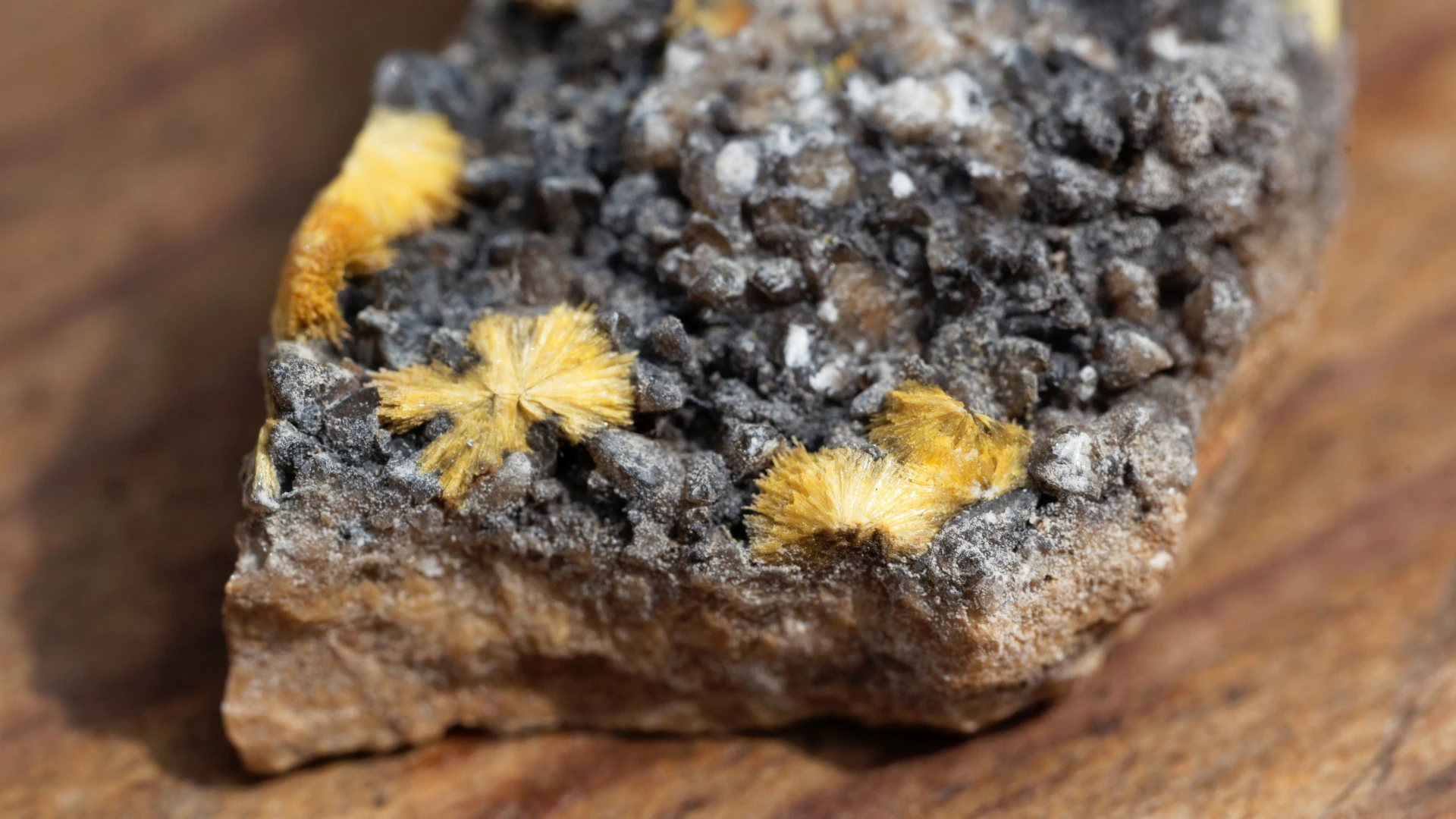
What Are Radionuclides?
Radionuclides are unstable forms of elements that give off radiation as they break down. Some occur naturally in rock and soil. When groundwater moves through these materials, it can pick up dissolved radionuclides.
The radionuclides most relevant for private wells include:
- Uranium: A heavy metal that is both radioactive and chemically toxic
- Radium: A decay product of uranium that emits alpha radiation
- Radon: A gas that can dissolve in groundwater (covered in our separate radon guide)
Most radionuclides have no taste, smell, or color in water. Testing is the only way to know if they are present. (EPA)
What Is Gross Alpha?
Gross alpha particle activity is a screening test. It measures the total alpha radiation in a water sample without identifying which specific radionuclide is responsible.
Gross alpha is useful as a first step. If the result is low, you may not need further testing. If it is elevated, follow-up testing can identify whether uranium, radium, or another alpha emitter is the source. (EPA)
An important note: EPA's gross alpha standard of 15 pCi/L excludes radon and uranium. Uranium has its own separate standard.
Why Uranium and Radionuclides Matter
Health concerns from radionuclides are related to long-term exposure over months or years, not a single glass of water.
Uranium in drinking water is mainly a concern for its chemical toxicity, particularly effects on the kidneys with prolonged exposure. This is why EPA set a drinking water standard based on mass concentration (micrograms per liter) rather than radioactivity alone. (ATSDR)
Other radionuclides like radium pose radiation-related health considerations over time. EPA's standards are designed to limit long-term exposure for public water systems. Private well owners can use these same standards as reference points.
Where Uranium and Alpha Radiation Come From
For most private wells, radionuclides come from natural sources, not human activity. (EPA)
Uranium and radium are more likely in areas with:
- Granite and metamorphic rocks
- Uranium-bearing sedimentary formations
- Certain aquifer conditions that keep uranium dissolved in groundwater
In some regions, past mining or industrial activity can also affect radionuclide levels. But natural geology is the primary driver for most private well situations.
Radionuclide levels can vary even between nearby wells depending on depth, aquifer zone, and local geology. (WUPDHD)
When to Test for Uranium and Gross Alpha
Test for radionuclides if you:
- Have never tested your well for uranium or gross alpha
- Live in an area with known radionuclide concerns
- Are buying a home with a private well
- Recently drilled a new well or changed well depth
- Had major well repairs
EPA guidance suggests testing private wells for radionuclides every three years. (EPA)
Vermont's health department recommends testing for gross alpha and uranium every five years. (VT DOH)
A practical schedule is every 3 to 5 years in areas of concern, and sooner if you make well changes or local agencies flag issues.
How to Test for Radionuclides
Step 1: Start With Screening
Gross alpha is often used as a first-level screen. If results are low, you may not need specific radionuclide testing. If elevated, follow-up tests for uranium and radium can identify the source. (EPA)
Step 2: Use a Certified Lab
Radionuclide testing requires specialized equipment. Use a state-certified lab and follow their sampling instructions carefully. Your local health department can provide lab recommendations. (CDC)
Step 3: Follow Up if Screening Is Elevated
If gross alpha exceeds 15 pCi/L (excluding radon and uranium), test specifically for uranium and radium. This tells you which radionuclide is elevated and helps guide treatment decisions.
How to Interpret Test Results
Understand the Units
- Uranium: Reported in µg/L (micrograms per liter)
- Gross alpha: Reported in pCi/L (picocuries per liter)
- Radium: Reported in pCi/L
Do not compare these numbers directly. They measure different things.
EPA Reference Standards
These standards are for public water systems but are commonly used as benchmarks for private wells: (EPA)
- Uranium: 30 µg/L
- Gross alpha: 15 pCi/L (excluding radon and uranium)
- Combined radium-226/228: 5 pCi/L
- Beta and photon emitters: 4 mrem/year
Gross Alpha Is a Signpost
An elevated gross alpha result does not tell you exactly what is in the water. It signals that alpha-emitting radionuclides may be present and that follow-up testing is needed to identify the specific source.
What to Do if Radionuclides Are Elevated
Step 1: Confirm the Result
Retest to confirm before making treatment decisions. Check that the units match what you expect. Ask the lab whether the gross alpha result is "adjusted" or "as reported."
Step 2: Identify the Specific Radionuclide
If gross alpha is elevated, test for uranium and radium specifically. This tells you what you are dealing with and guides treatment selection.
Step 3: Reduce Exposure While You Plan
If you have a confirmed elevated result, use an alternative water source (like bottled water) for drinking and cooking while you arrange treatment. Radionuclide concerns are about ingestion, so water for washing and bathing is typically lower priority.
Step 4: Choose Appropriate Treatment
Treatment depends on the specific contaminant. For uranium, common options include:
- Reverse osmosis (RO): Effective for drinking water at a point of use
- Ion exchange: Can be designed for whole-house uranium removal
- Distillation: Effective for small volumes
Treatment for radium may differ. Work with a water treatment professional who understands radionuclide removal. (APHL)
Step 5: Retest After Treatment
After installing treatment, test the treated water to confirm the system is working. Retest periodically to ensure continued performance.
Prevention and Maintenance Tips
You cannot prevent naturally occurring radionuclides in groundwater. But you can manage exposure:
- Test at least once to establish a baseline
- Retest every 3 to 5 years in areas of concern
- Test after well changes: New wells, depth changes, or major repairs
- Maintain treatment systems and replace filters or media on schedule
- Keep records of test results to spot changes over time
CDC recommends basic annual testing for bacteria, nitrates, and pH, with radionuclide testing added based on local risk. (CDC)
Frequently Asked Questions
Is uranium in well water dangerous?
Uranium can pose health risks with long-term exposure. The main concern is kidney toxicity from the chemical properties of uranium, not just radiation. EPA's standard of 30 µg/L is designed to protect against effects from chronic exposure.
What is gross alpha radiation in drinking water?
Gross alpha is a screening measurement of total alpha particle activity in water. It does not identify specific radionuclides but indicates whether alpha emitters may be present at elevated levels.
How do radionuclides get into private wells?
Most radionuclides in private wells come from natural radioactive decay of elements in rocks and soil. Groundwater dissolves these materials as it moves underground. Levels depend on local geology.
How often should I test my well for uranium?
EPA suggests testing private wells for radionuclides every three years. State programs often recommend every five years. Testing more often makes sense if you have elevated results or live in a high-risk area.
Can I shower in water with elevated uranium?
The main exposure pathway for radionuclides in water is ingestion, not skin contact. Showering is generally considered lower risk than drinking, but you should address elevated levels for drinking and cooking water.
What is the difference between uranium and gross alpha testing?
Uranium testing measures a specific element in micrograms per liter. Gross alpha measures total alpha radiation in picocuries per liter without identifying the source. Gross alpha is a screening tool. Uranium testing is specific follow-up.
Will a water filter remove uranium?
Standard carbon filters do not effectively remove uranium. Reverse osmosis, ion exchange designed for uranium, and distillation can reduce uranium levels. Verify the treatment is rated for radionuclide removal.